Why Wax? What Collagraph Wax Actually Does for Your Plate
A collagraph plate is a collage built on a rigid base. Cardboard, fabric, string, sand, gesso and carborundum all get glued down, and each one soaks up ink differently. That is the beauty of the process, and also the challenge. Some areas grab too much ink. Others barely hold any. Two textures sitting side by side on the same plate can behave like they belong to different printmaking worlds.
If you come to collagraph from etching or relief printing, this can feel strange at first. A copper plate is uniform, so the tool marks make the image. A collagraph plate is the opposite. The surface itself is the image, and you are working with a material that has opinions about how it wants to print.
Where wax comes in
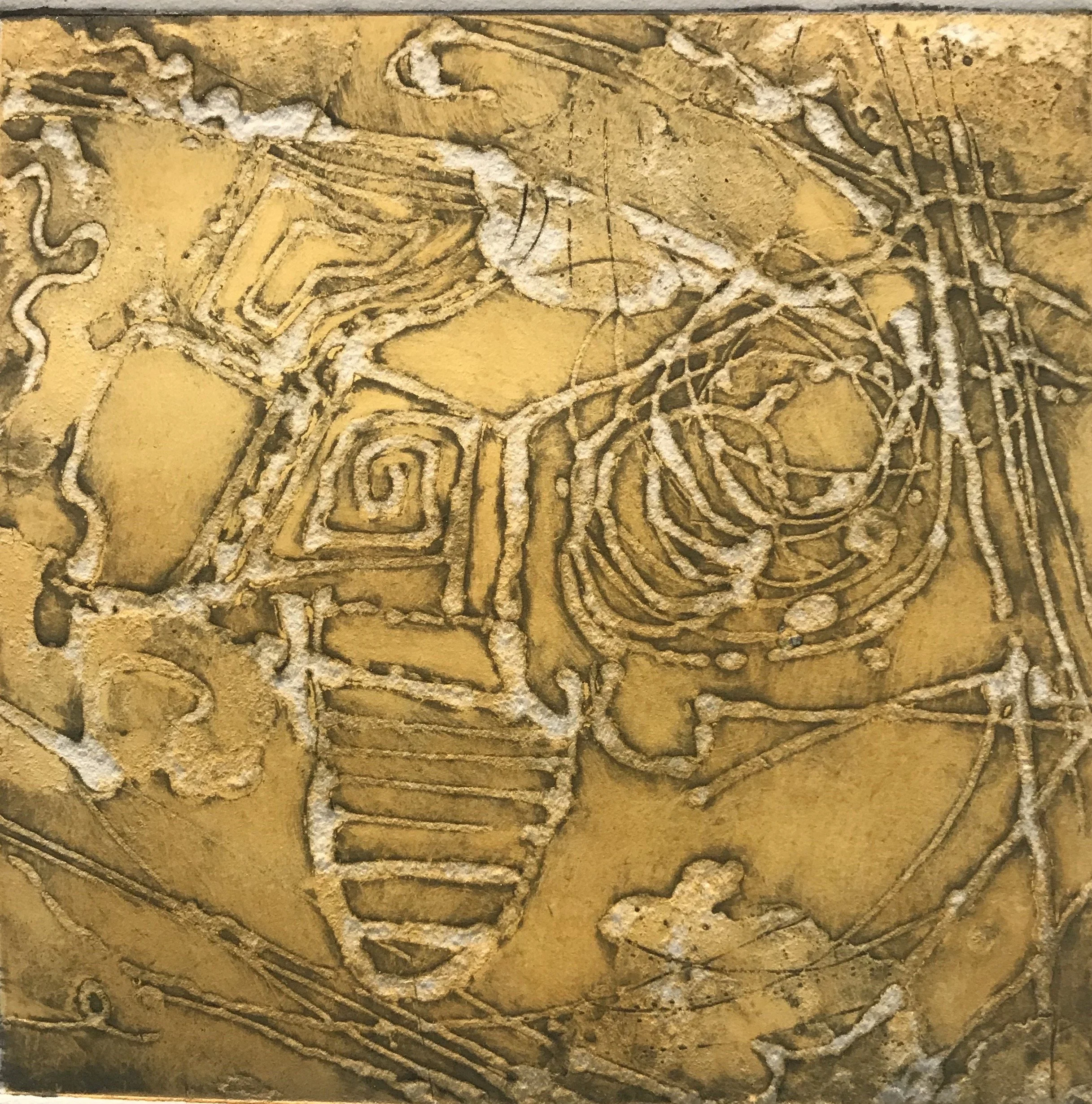
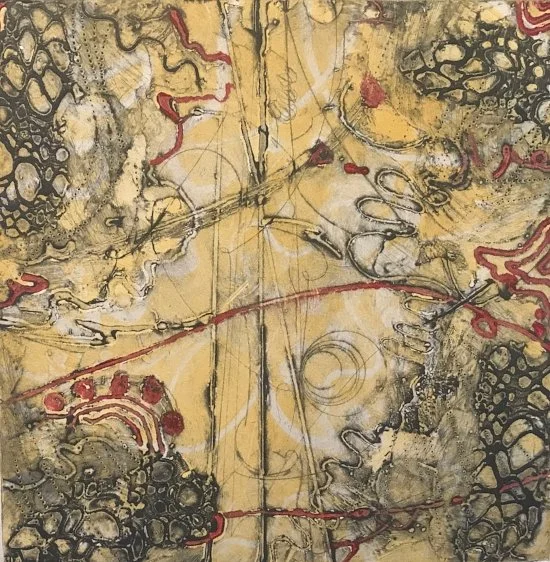
Applied to the plate, collagraph wax changes how the surface takes and releases ink. Areas with more wax tend to resist ink and print lighter. Areas with less wax hold more ink and print darker. Instead of fighting the plate, you are shaping the values you want before you ever reach the press.
Think of it as a dimmer switch. Without wax, many collagraph plates behave like a light that is either fully on or fully off. With wax, you get the steps in between: the soft grays, the gentle transitions, and the clean whites that make a print feel dimensional.
Why a wax made for collagraph?
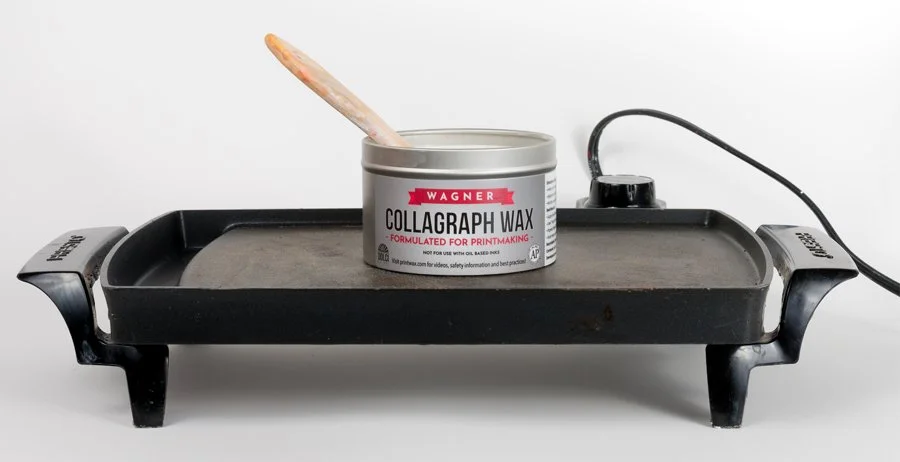
Wagner Collagraph Wax was developed by artist and printmaker Elise Wagner specifically for this purpose. She wanted a material designed around the needs of a collagraph plate, rather than adapting something made for another craft. It is made from natural beeswax, damar resin and titanium white pigment, and it is ACMI AP certified, which is reassuring if you work in a shared studio, a school, or a community print shop.
A few things wax can do for a collagraph plate
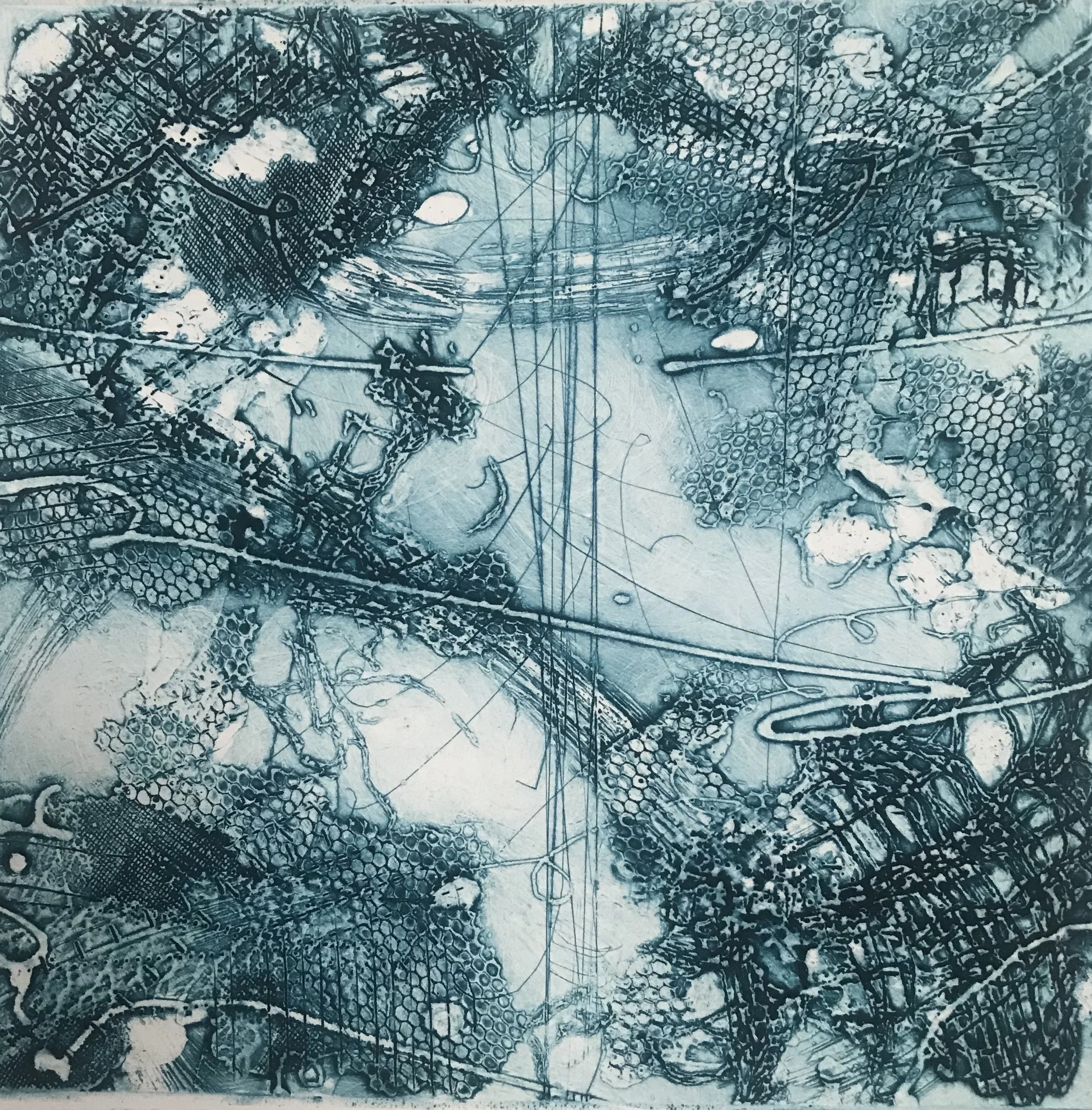
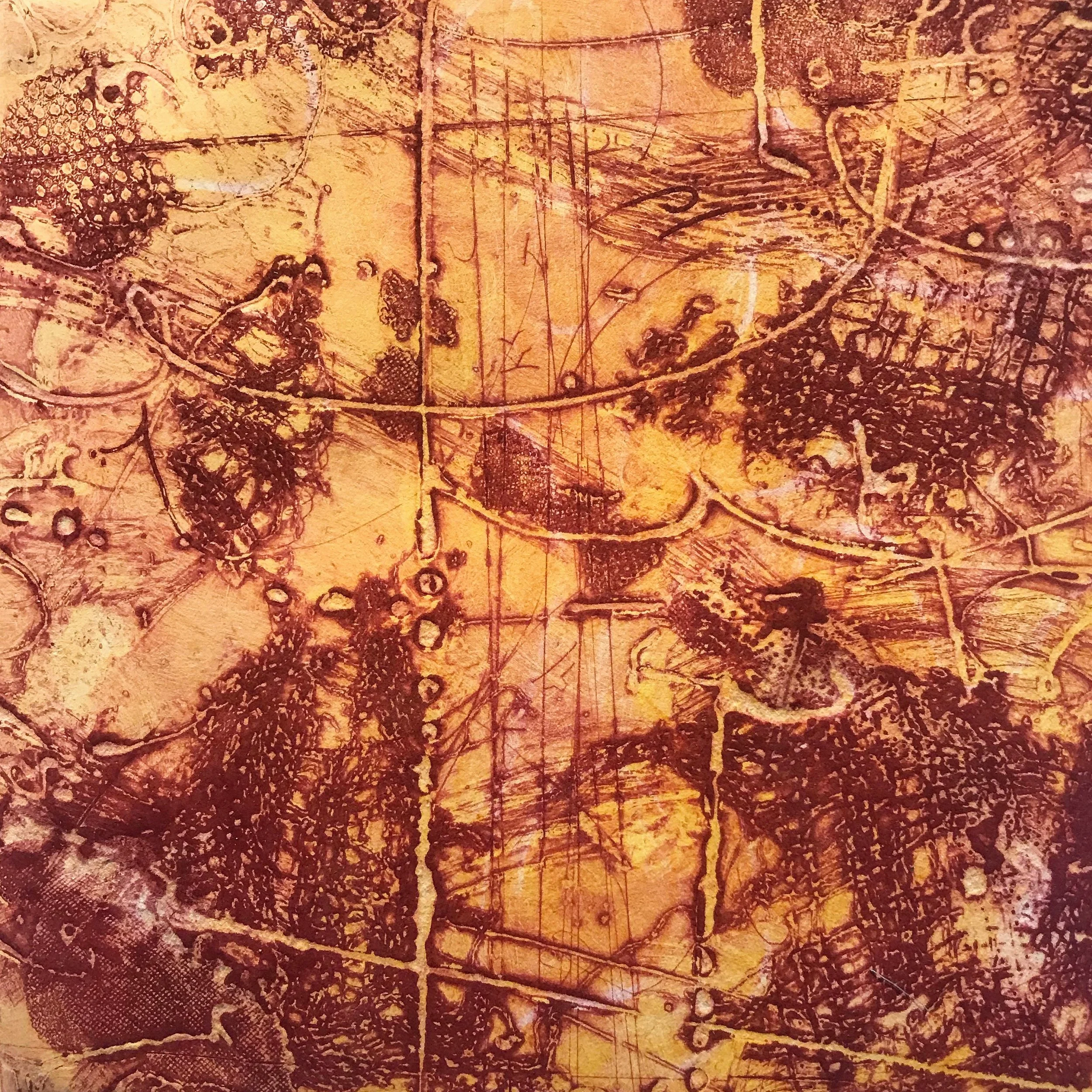
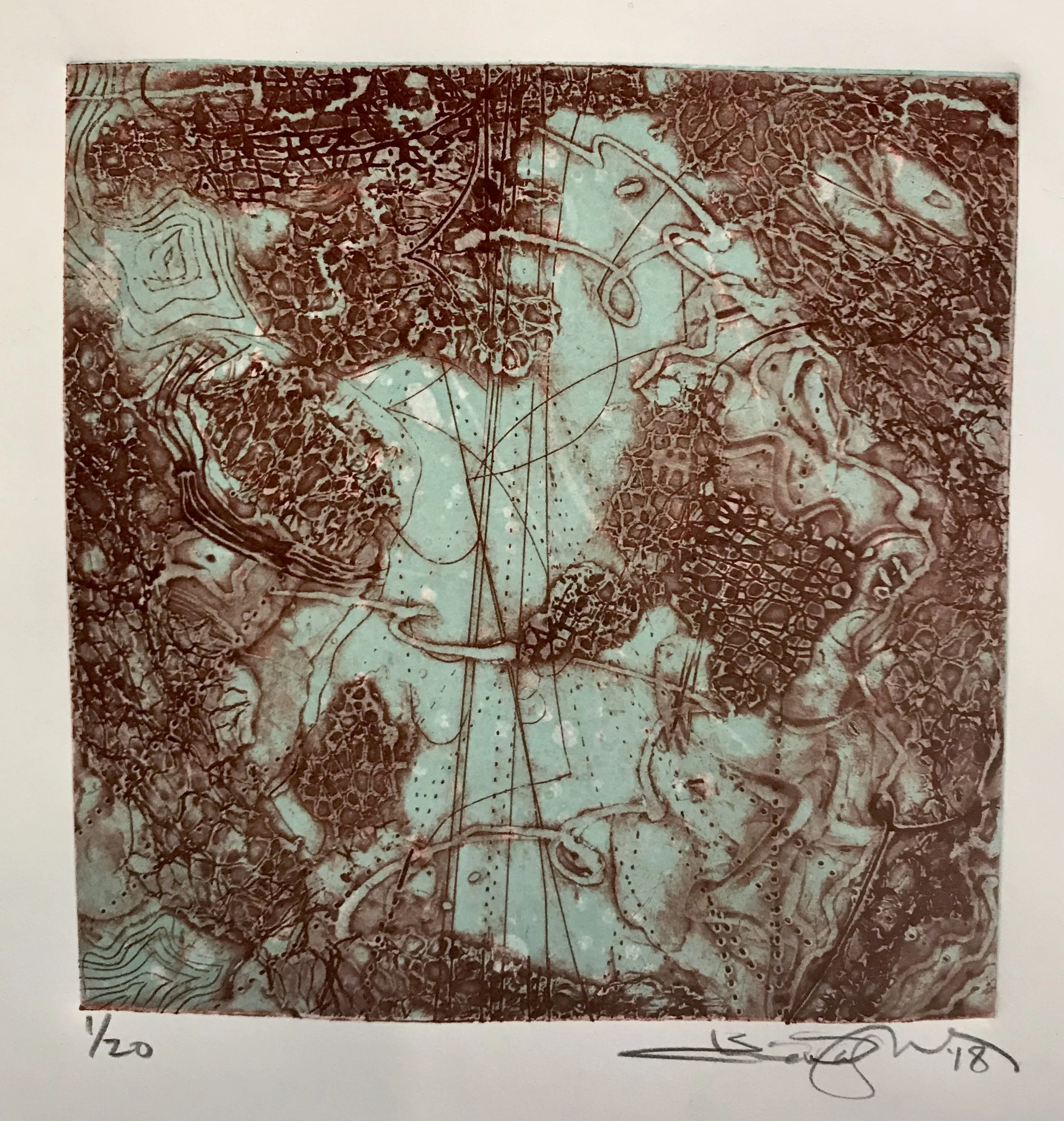
Add tonal range, from deep blacks to soft grays to clean whites
Help control how much ink stays in textured areas
Make wiping more predictable from one print to the next
Give you a way to revise a plate without rebuilding it
Let you work more intuitively, adjusting the plate as you see what it prints
A word on revision
One of the quiet benefits of working with wax is that a plate does not have to be finished the first time you ink it. You can pull a proof, look at where the image feels too heavy or too weak, and make changes. Over a few rounds, a plate gradually becomes what you pictured. Many printmakers find that this back and forth is where their best work happens.
If you have ever pulled a collagraph print that came out muddy or flat, wax is worth a try. It will not replace good plate building or good wiping, but it gives you one more way to steer the result.
Ready to try it? Wagner Collagraph Wax is available in 6 oz and 12 oz cans at printwax.com.
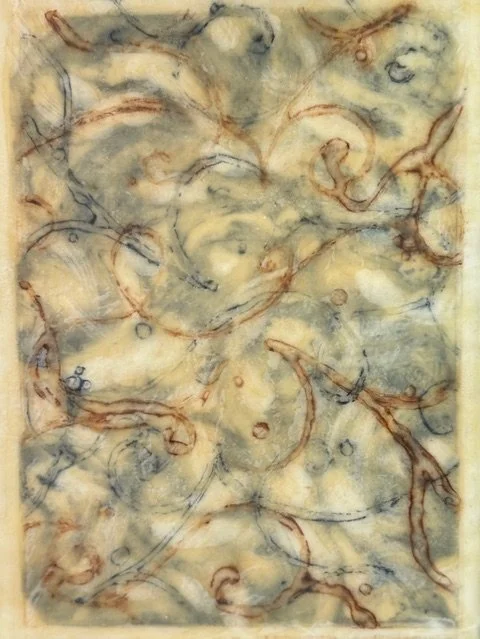
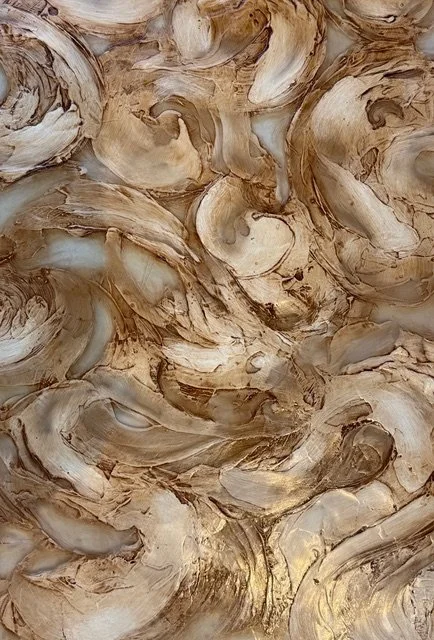

Forging new partnerships
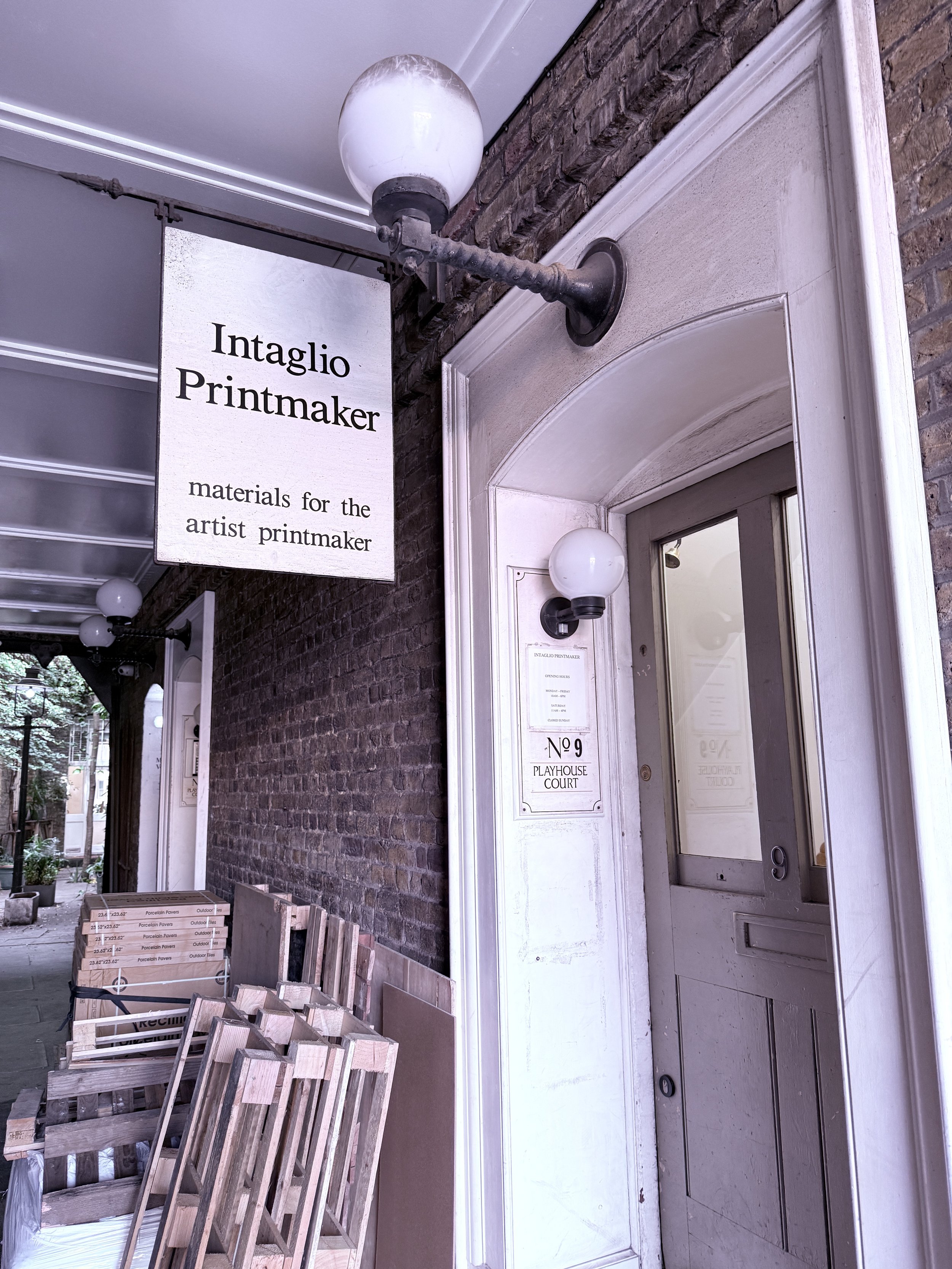
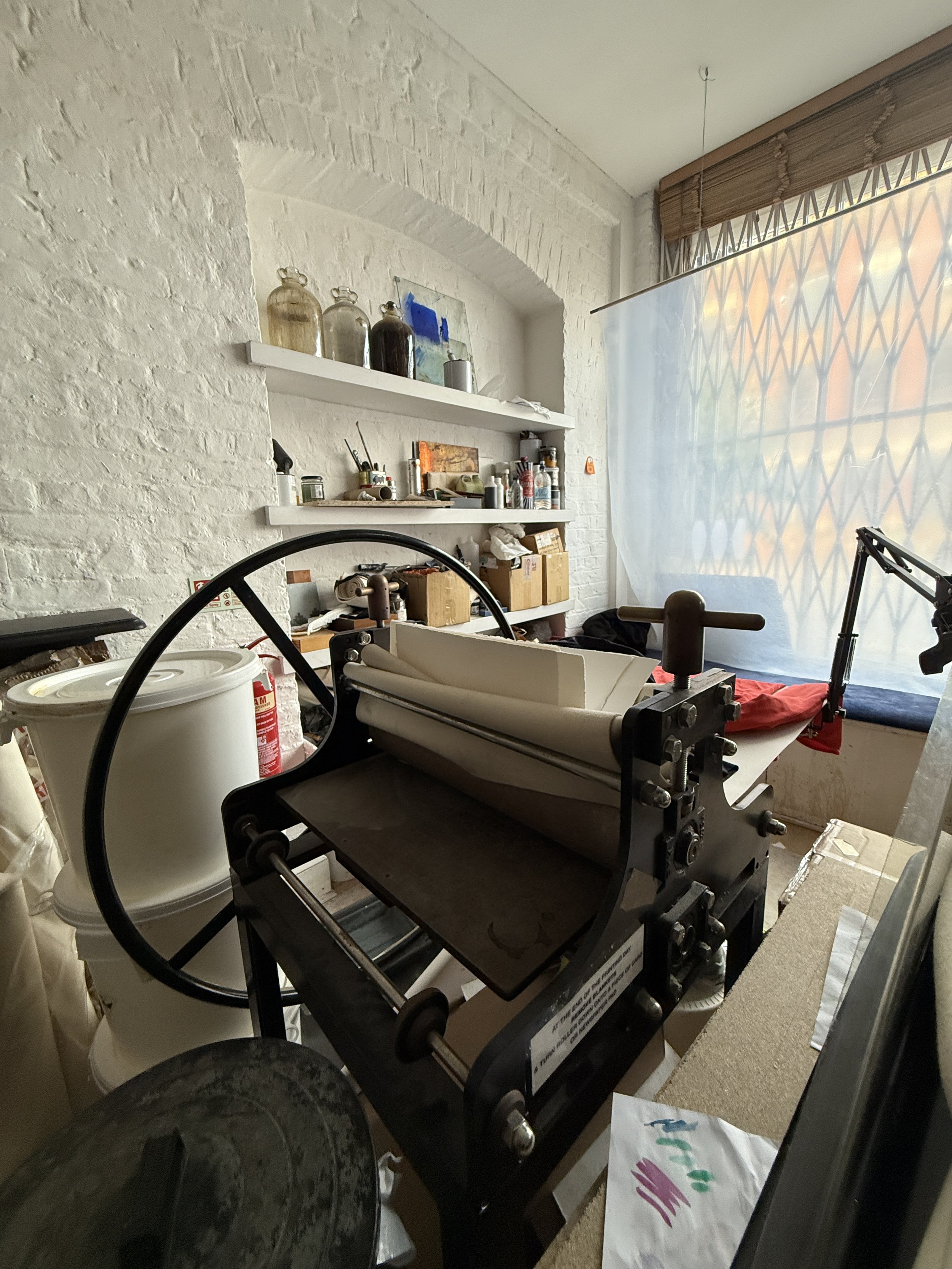
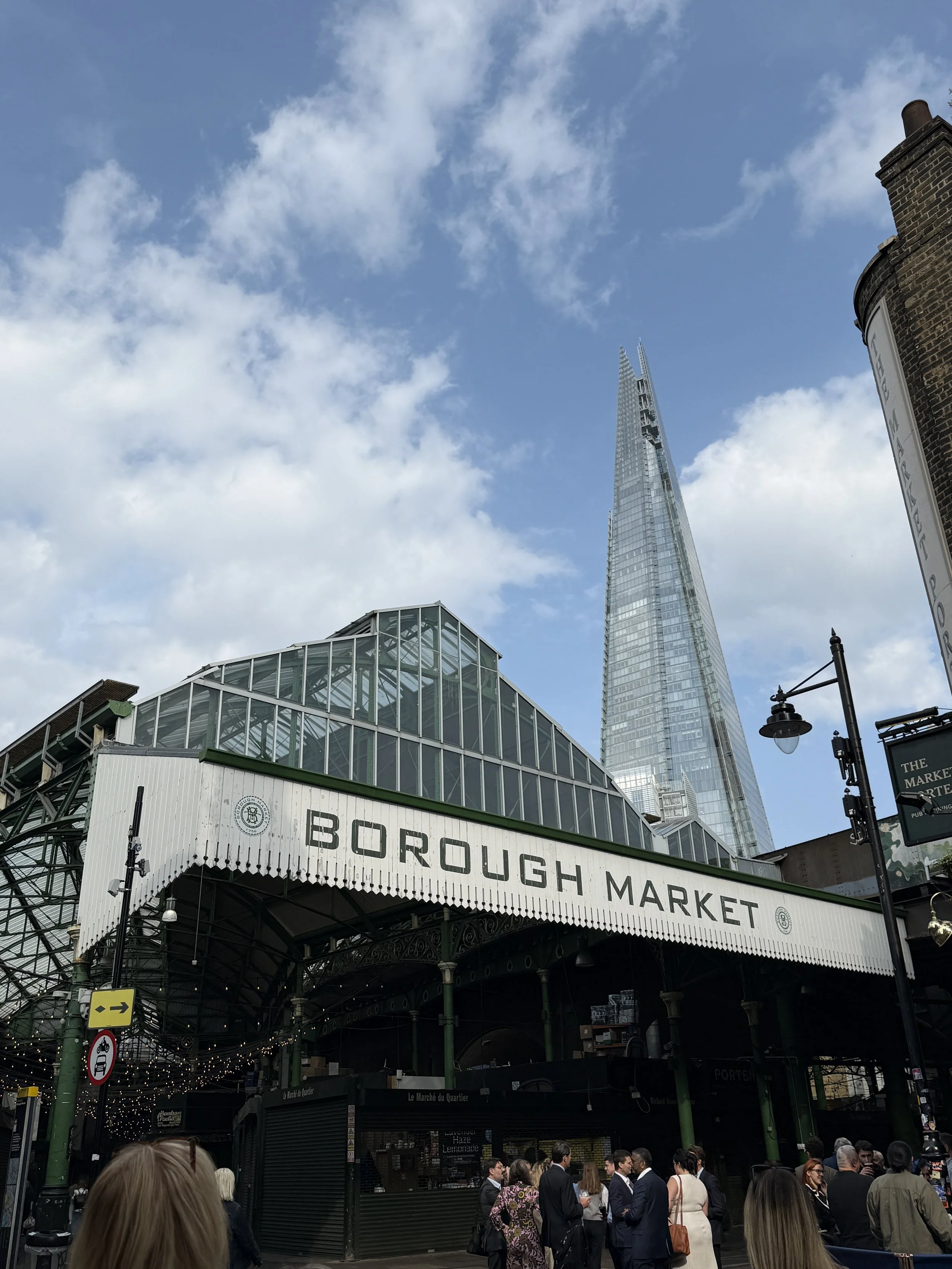
In my final days in London, with the city all to myself and open to wander, I decided—somewhat spontaneously—to grab a can of my wax and take the Tube from my Marylebone flat to visit Intaglio Printmaker, a long-established printmaking supplier in the Borough neighborhood…
Collagraph Wax now available in the UK!
During Covid, like so many of us, I had to shift from in-person teaching to online workshops. What initially felt like a necessary adjustment became a pivotal turning point in an unexpected way—sparking growing interest in my collagraph wax and printmaking process among artists in the UK.
As more international orders began streaming in, so did a wave of messages asking about distribution closer to home. Shipping costs were a real barrier, and it became clear that there was a need—and an opportunity—to make the wax more accessible abroad.
I’m so pleased to share with my friends and customers in the UK and beyond that Wagner Collagraph Wax is now available in London through Intaglio Printmaker!
Last Spring, during my final days in London, with the city all to myself, I decided—somewhat spontaneously—to grab a can of my wax and go visit Intaglio Printmaker, a long-established printmaking supplier in the Borough neighborhood. I shared the wax with the owners and staff, and we began a conversation about the possibility of them carrying it.
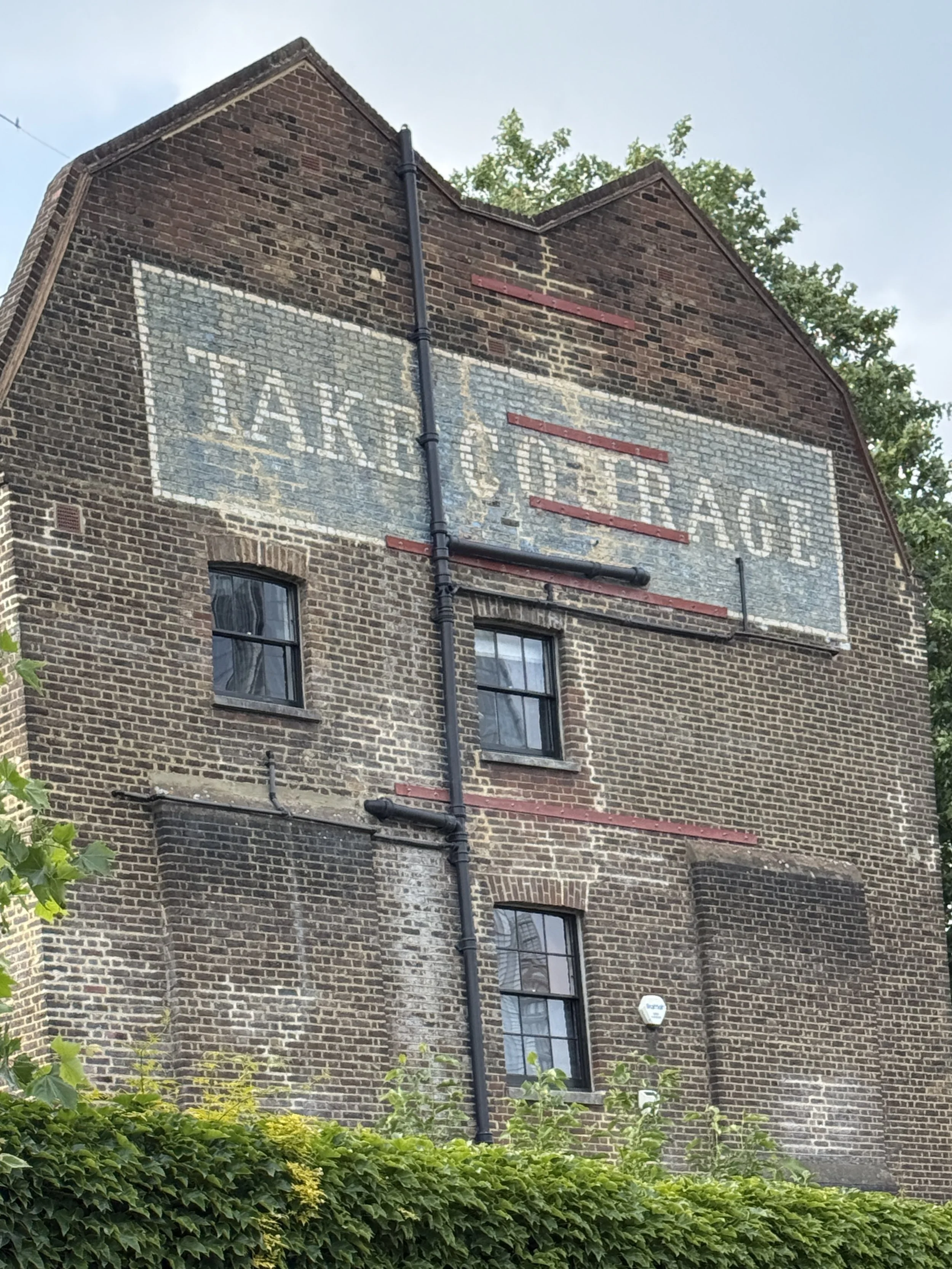
Below are a few photos from that June afternoon visit—marking the beginning of what is a new chapter for Wagner Collagraph Wax in the UK.

WAX MATTERS: the journey to discover WAX COLLAGRAPH PRINTMAKING
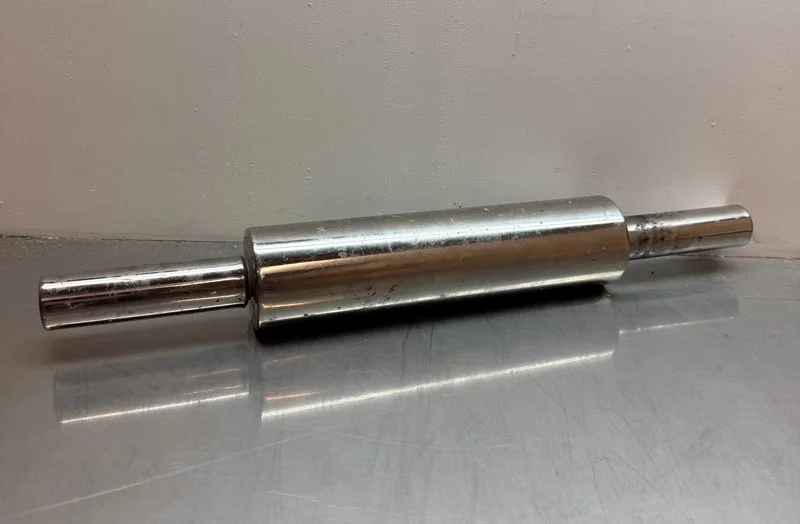
The breakthrough came from a simple moment of curiosity in the studio—and a rolling pin. “What if,” I wondered, “I applied pigment stick onto the textured surface of an encaustic painting and rolled it onto paper?”
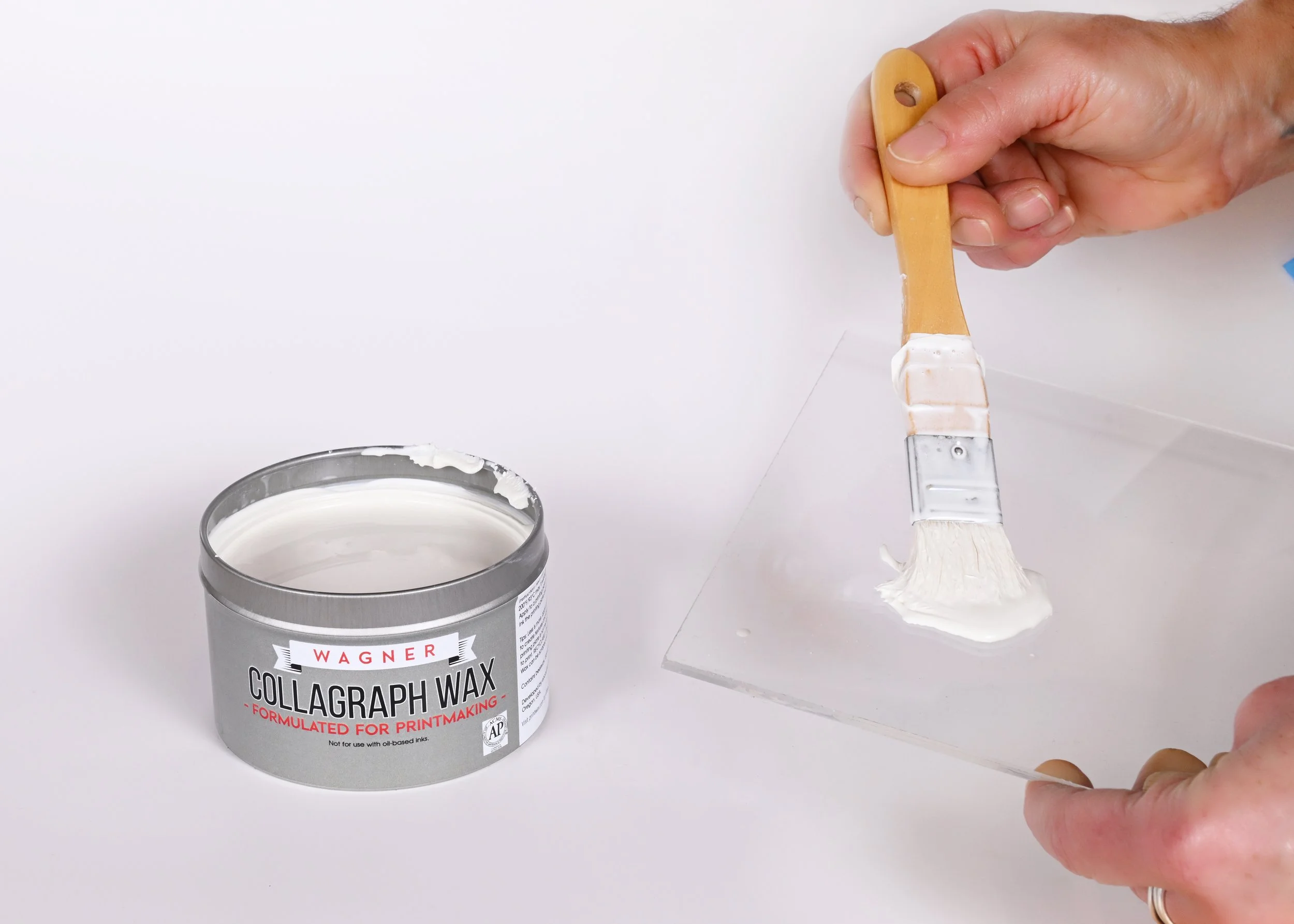
In the early years of developing Wagner Collagraph Wax, my approach was rooted firmly in encaustic painting. Around 2003, the idea of applying encaustic wax to a plexiglass plate felt radical—almost rebellious. Yet it was precisely that tension between tradition and experimentation that drew me in and kept me exploring.
Working on rigid plexiglass under the pressure of an etching press opened unexpected possibilities. Rules I had once followed in encaustic—like the need to sandblast the surface of the plexiglas or carefully fusing wax between layers—suddenly became optional. The plate, the wax, and the press began to collaborate in new ways, expanding what I thought the medium could do. Thus the adventure began…
Like encaustic painting, printmaking is a language of layers—of relief, intaglio, and depth—but it asks you to think differently. In painting, I often cover the entire surface with wax, building a continuous skin. In printmaking, especially on plexiglass, the relationship between positive and negative space becomes essential towards attaining depth.
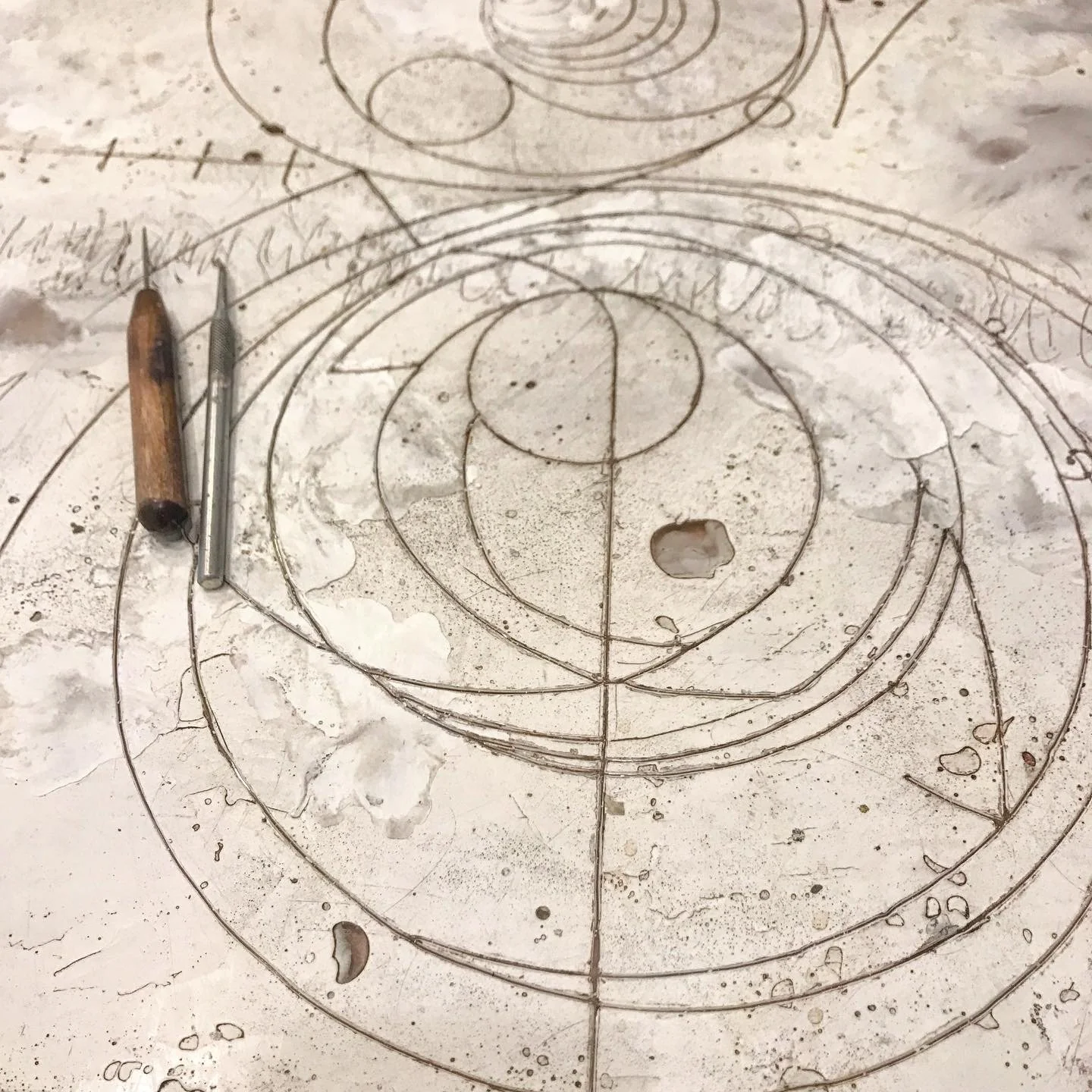
When wax enters this process, it shifts roles. It’s no longer the whole surface—it’s a strategic presence; a means to an end. A small amount can create remarkable dimensionality and nuance. I often say, “a little goes a long way—like a good eye cream,” and it’s true. Restraint becomes part of the expression.
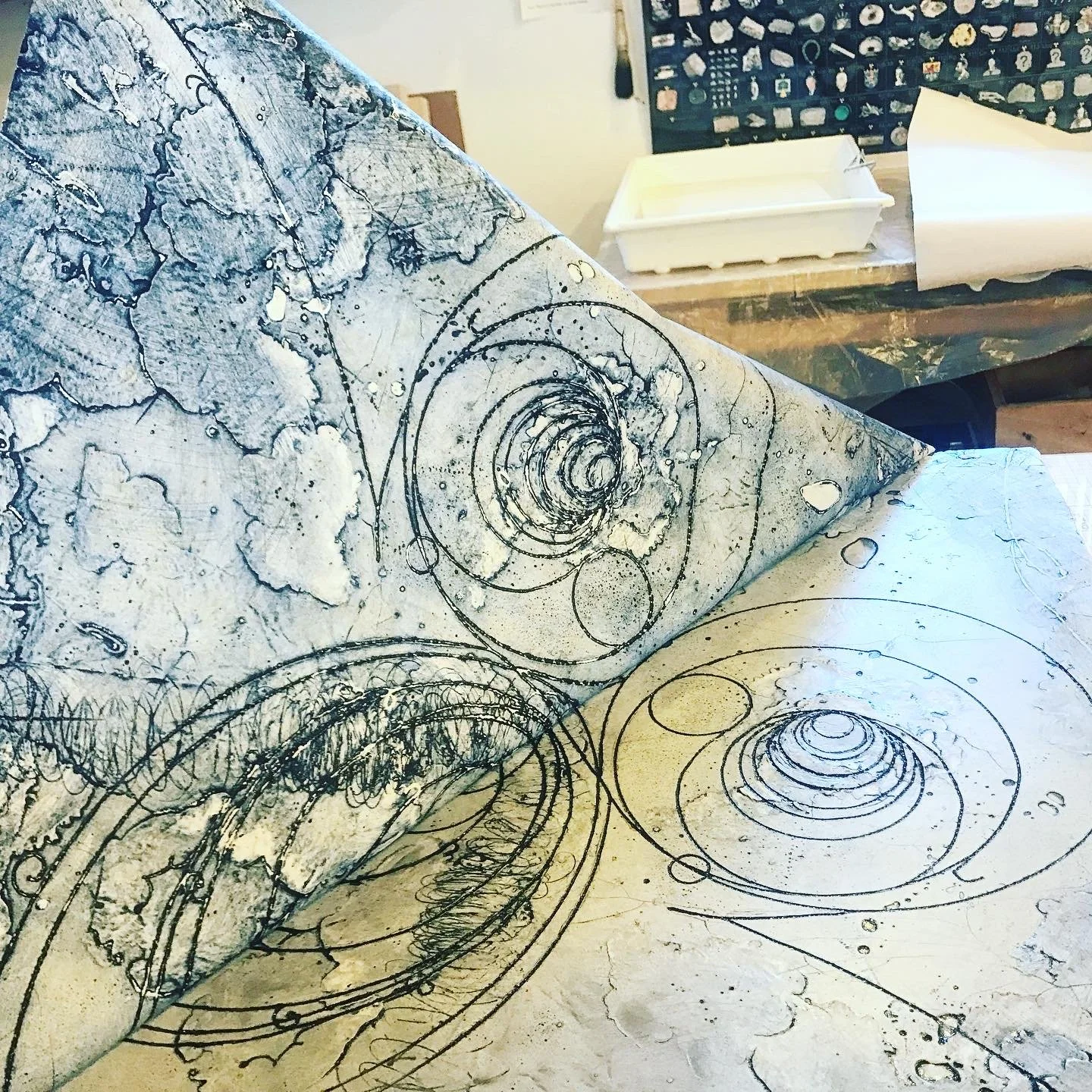
The process itself becomes more tactile, intuitive, and playful. Collagraph wax invites you to draw, scrape, emboss, and incise directly into the plate. Traditional techniques like drypoint etching merge seamlessly with the wax surface. What emerges is a layered dialogue—between line and texture, surface and depth, control and chance.
Discovery Through Experimentation
The breakthrough came from a simple moment of curiosity in the studio—and a rolling pin. “What if,” I wondered, “I applied pigment stick onto the textured surface of an encaustic painting and rolled it onto paper?”
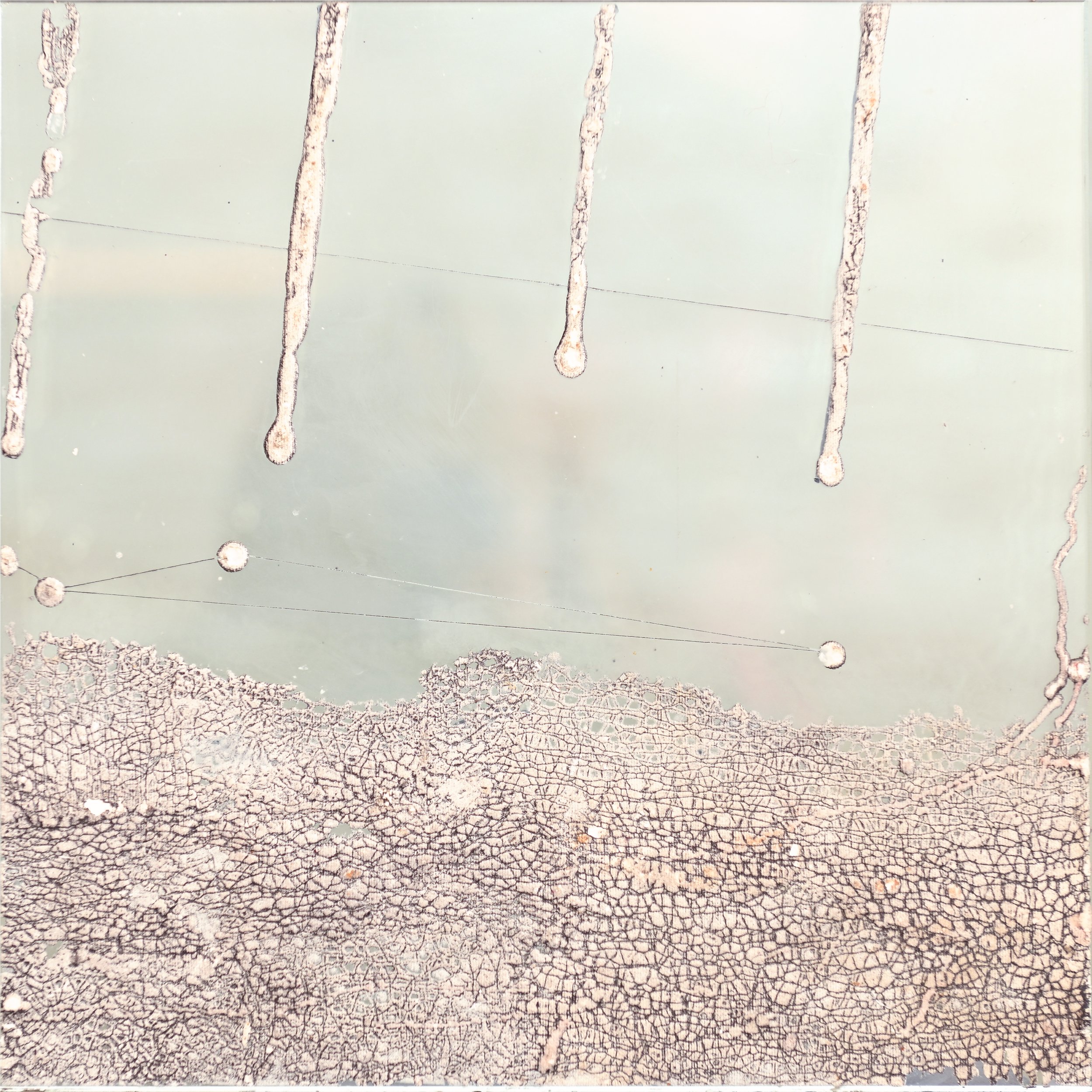
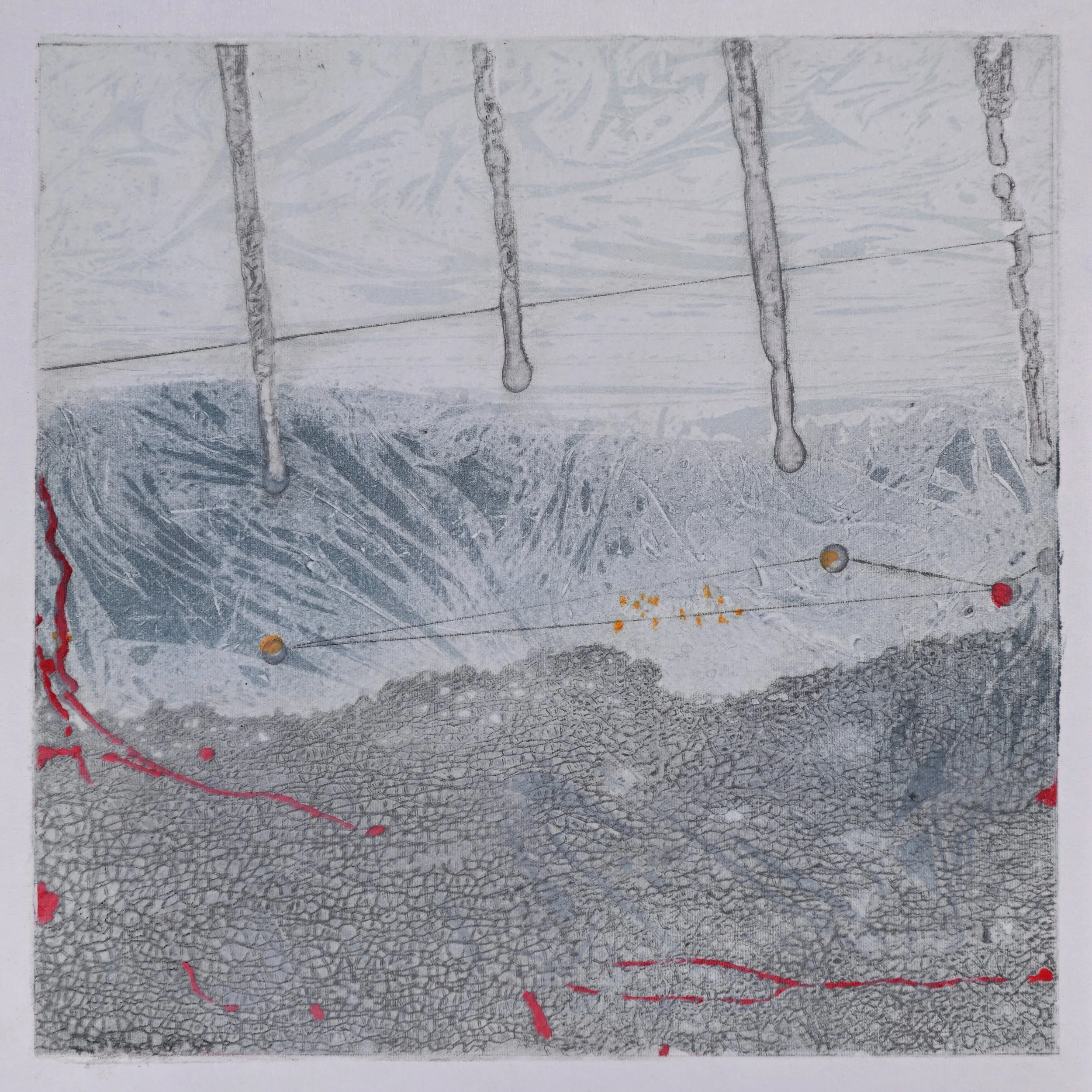
That question led to my first experimental transfer. The earliest attempt was raw and imperfect, but it held something undeniable. Soon after, I achieved my first successful print using Akua inks. That moment marked a shift—from painterly surface to printed image, from experiment to process.
What Makes Collagraph Wax Different?
As I entered the broader world of printmaking, I quickly realized that collagraph itself was not new. Artists have long built plates from assembled materials—gluing textures to a surface to create dimensional prints. What felt entirely new, however, was the role of wax.
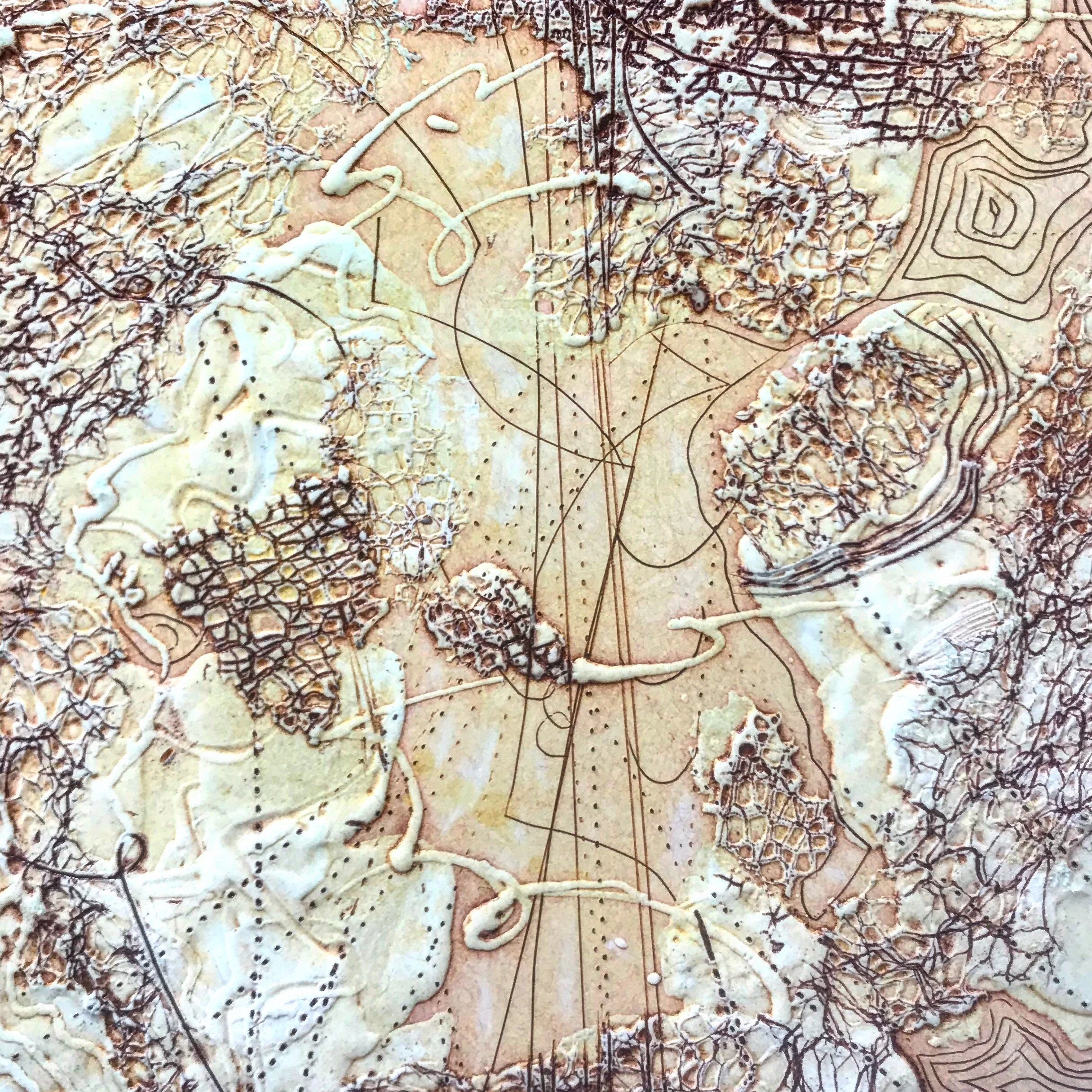
Collagraph wax transforms the plate into something more immediate and responsive. Rather than assembling textures, the artist creates them directly. The plate becomes less like a collage and more like a drawing—or even a low relief sculpture.
Wagner Collagraph Wax was developed with this intention: a white encaustic formula designed to withstand the pressure of an etching press while remaining flexible and reworkable. Its white surface also allows for greater visibility when applying ink, offering clarity and control throughout the process.
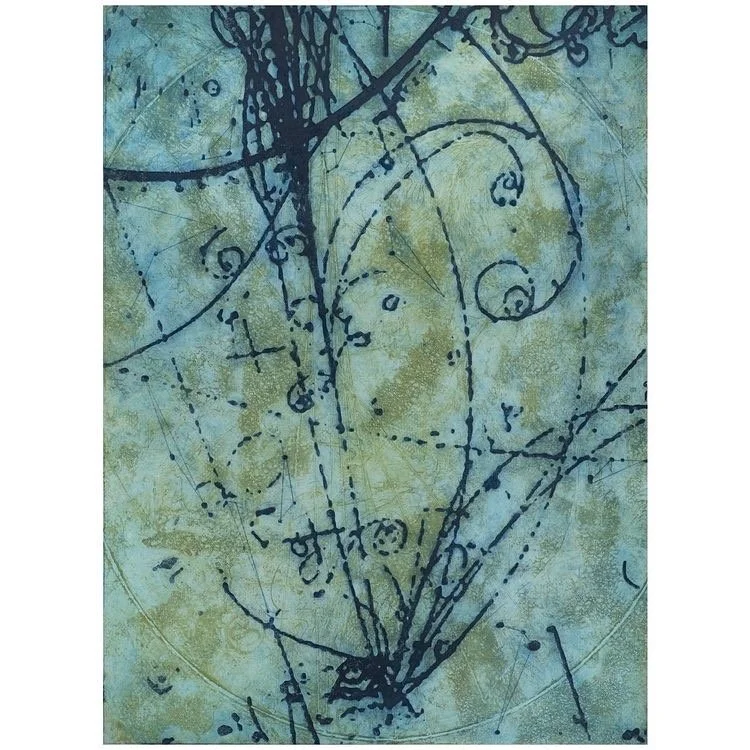
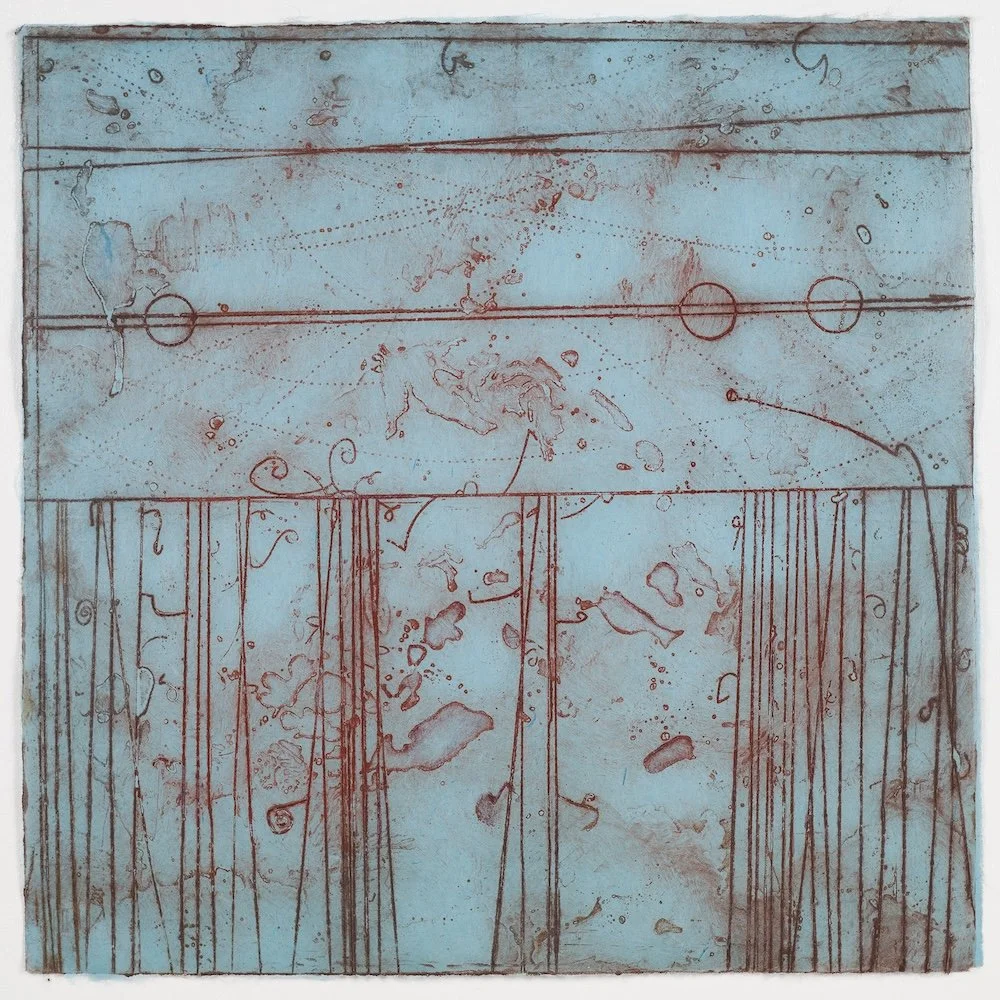
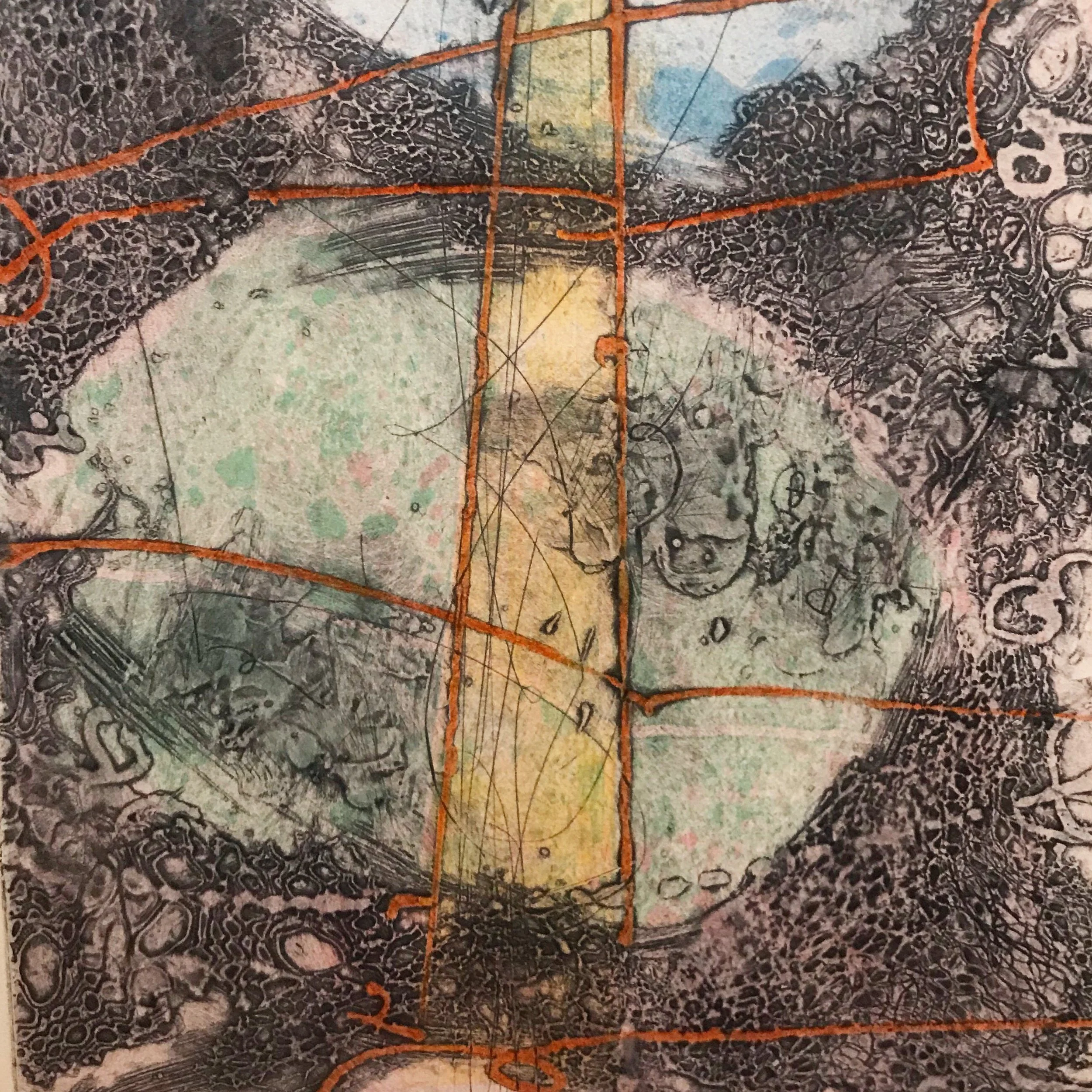
Unlike traditional methods, collagraph wax becomes the texture itself. It allows for:
• Direct, gestural mark-making
• Layering, subtraction, and revision
• Embossing fabrics and tools into the surface
• Enhanced visibility of ink due to its white pigment

the alchemy of print
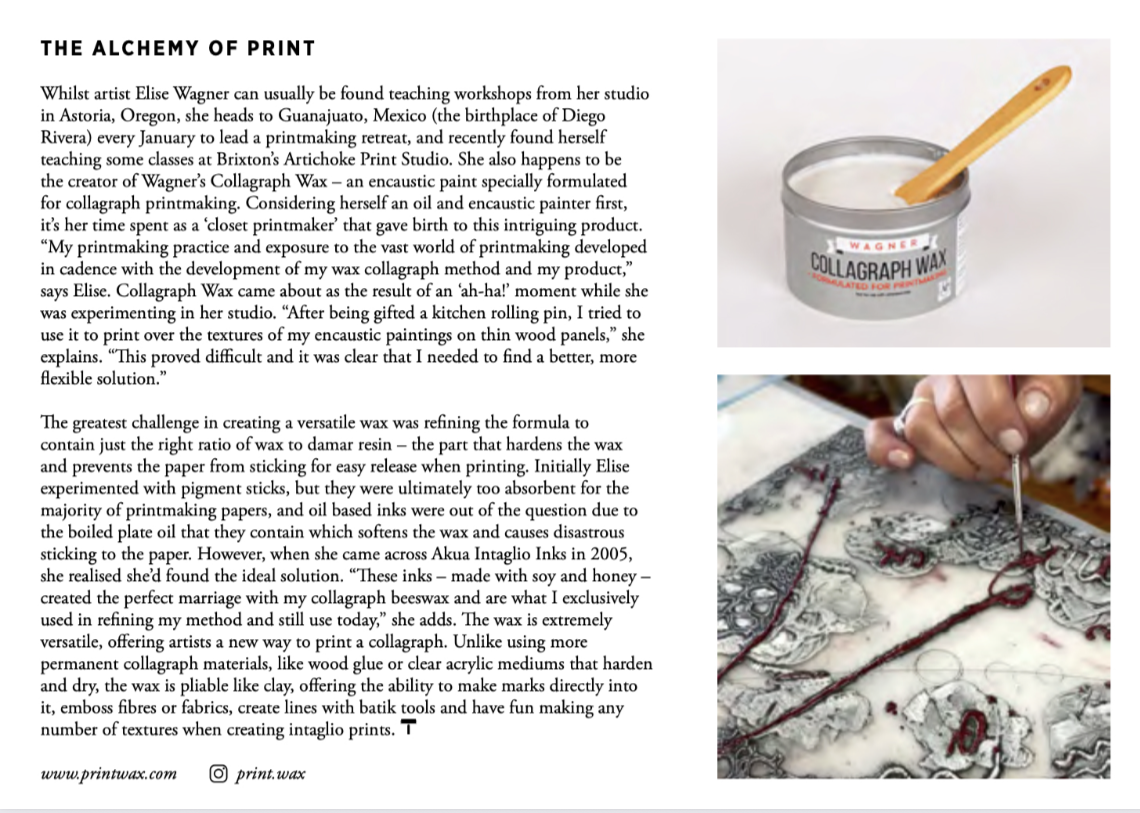
“…the creator o f Wagner's Collagraph Wax - an encaustic paint specially formulated for collagraph printmaking. Considering herself an oil and encaustic painter first, it's her time spent as a 'closet printmaker' that gave birth to this intriguing product.
"My printmaking practice and exposure t o the vast world o f printmaking developed in cadence with the development o f m y wax collagraph method and my product,"
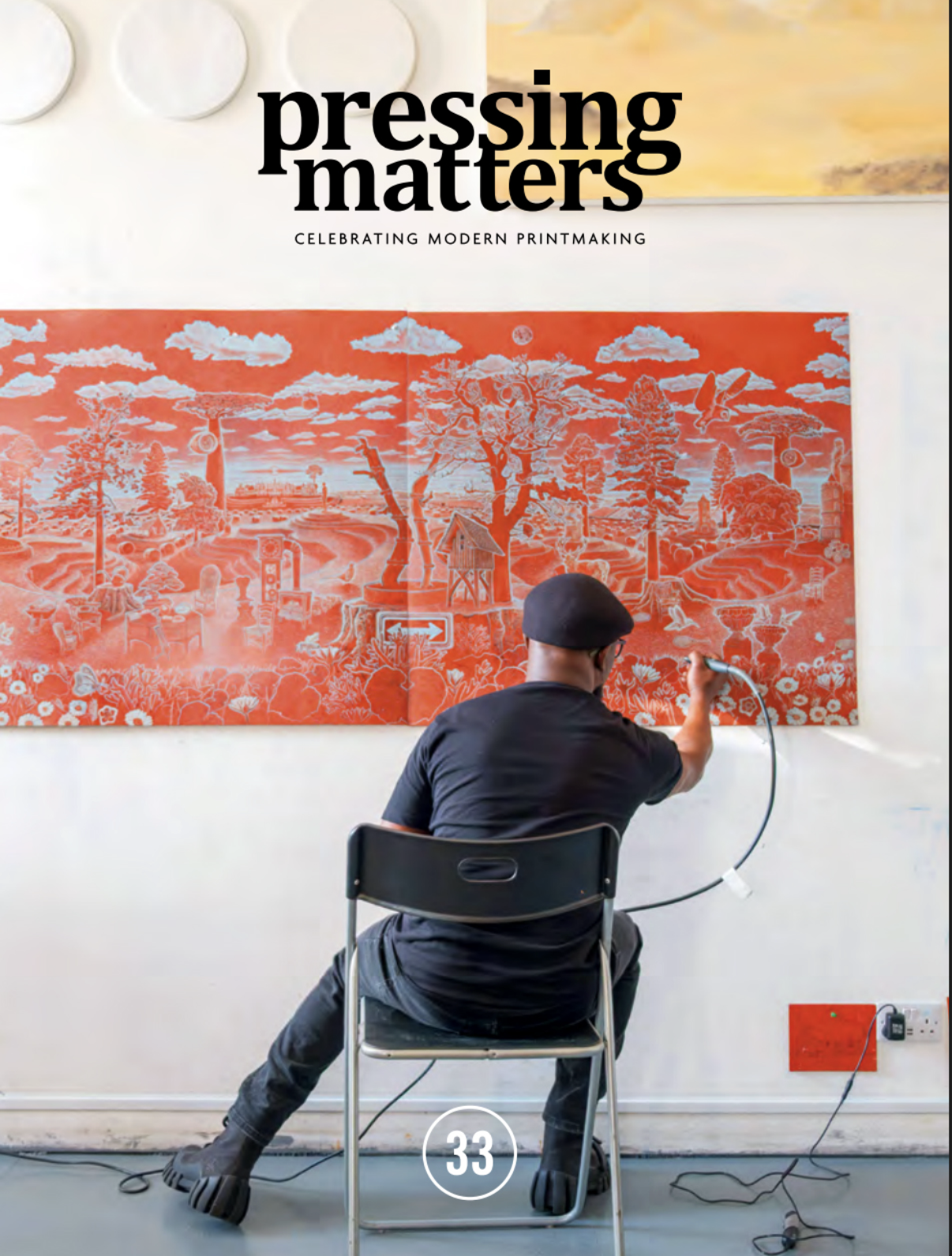
Issue #33 - Pressing Matters - Janaury 21, 2026